
Belvelly Castle archive

Stone. Time.
Second chances.

A nine-chapter journey through a medieval stronghold, centuries of change and the remarkable decision to make it live again.

Begin the journey
09chapters
1329recorded siege
2016restoration begins

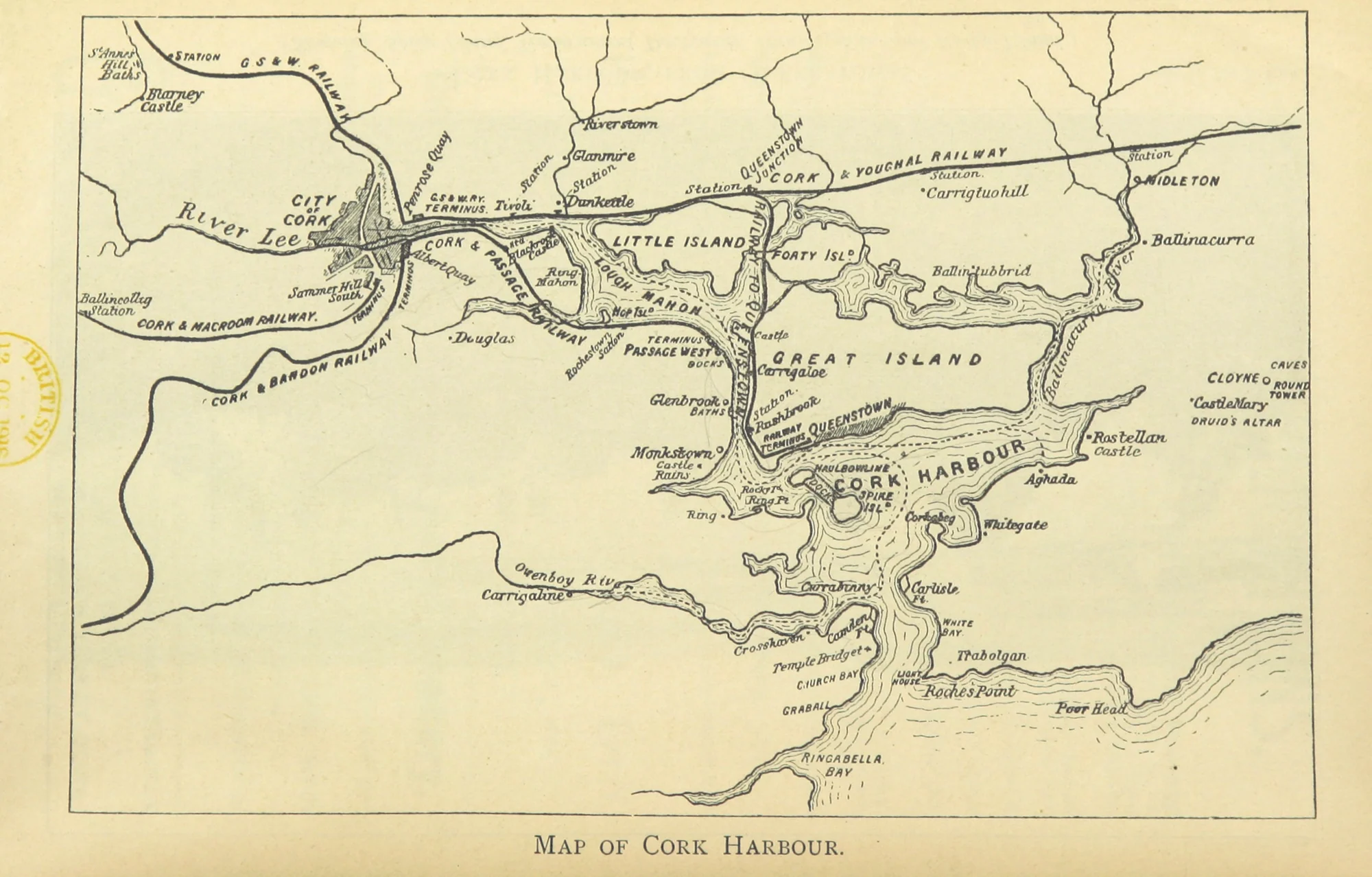
The 1895 map of Cork Harbour

Engraved 1895 map of Cork Harbour showing Great Island, Belvelly and the surrounding channels
Map of Cork Harbour, from a Queenstown guide, 1895. Great Island, the Belvelly crossing and the harbour channels as they were charted.
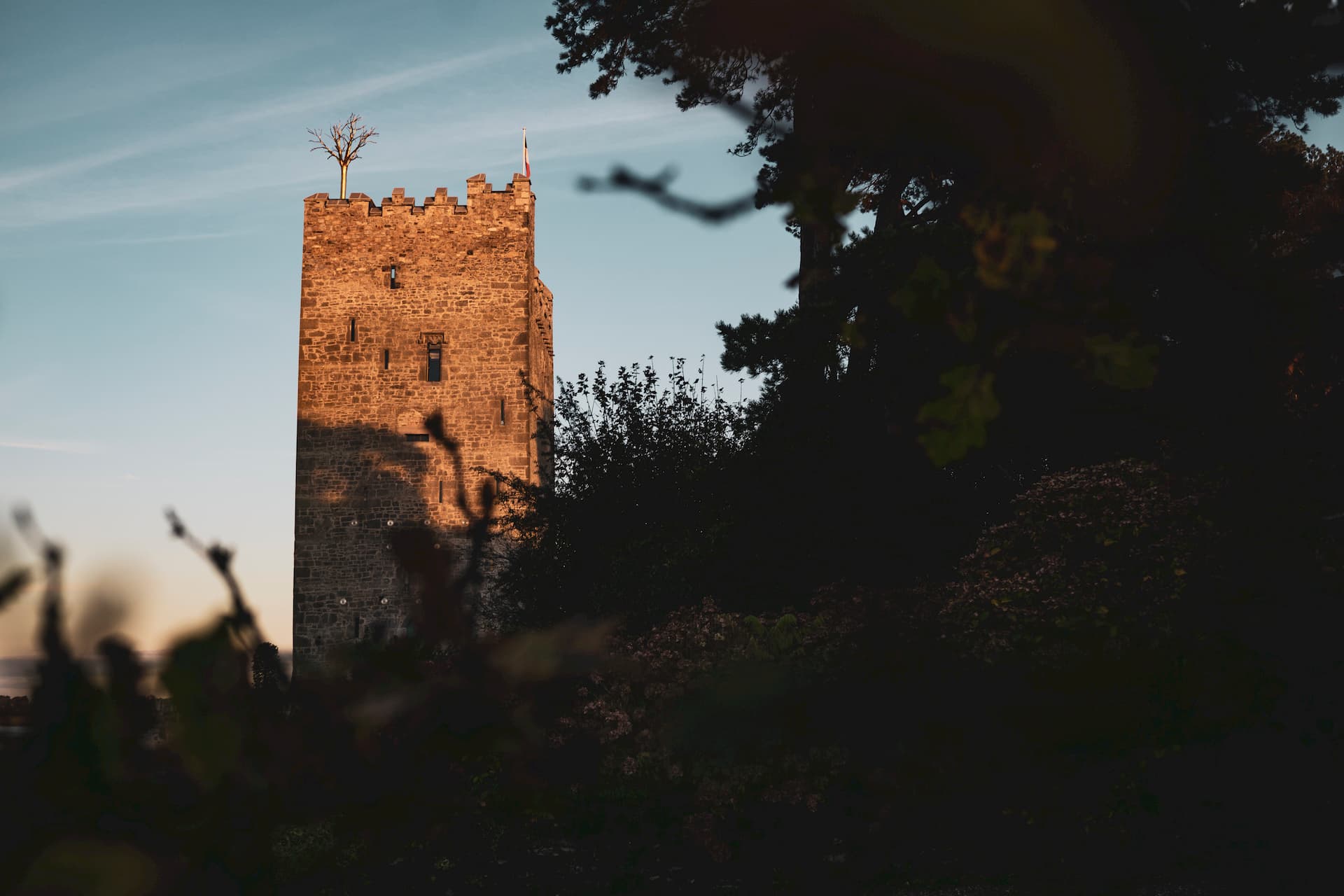
Restored Belvelly Castle seen through trees
Belvelly Castle · Great Island
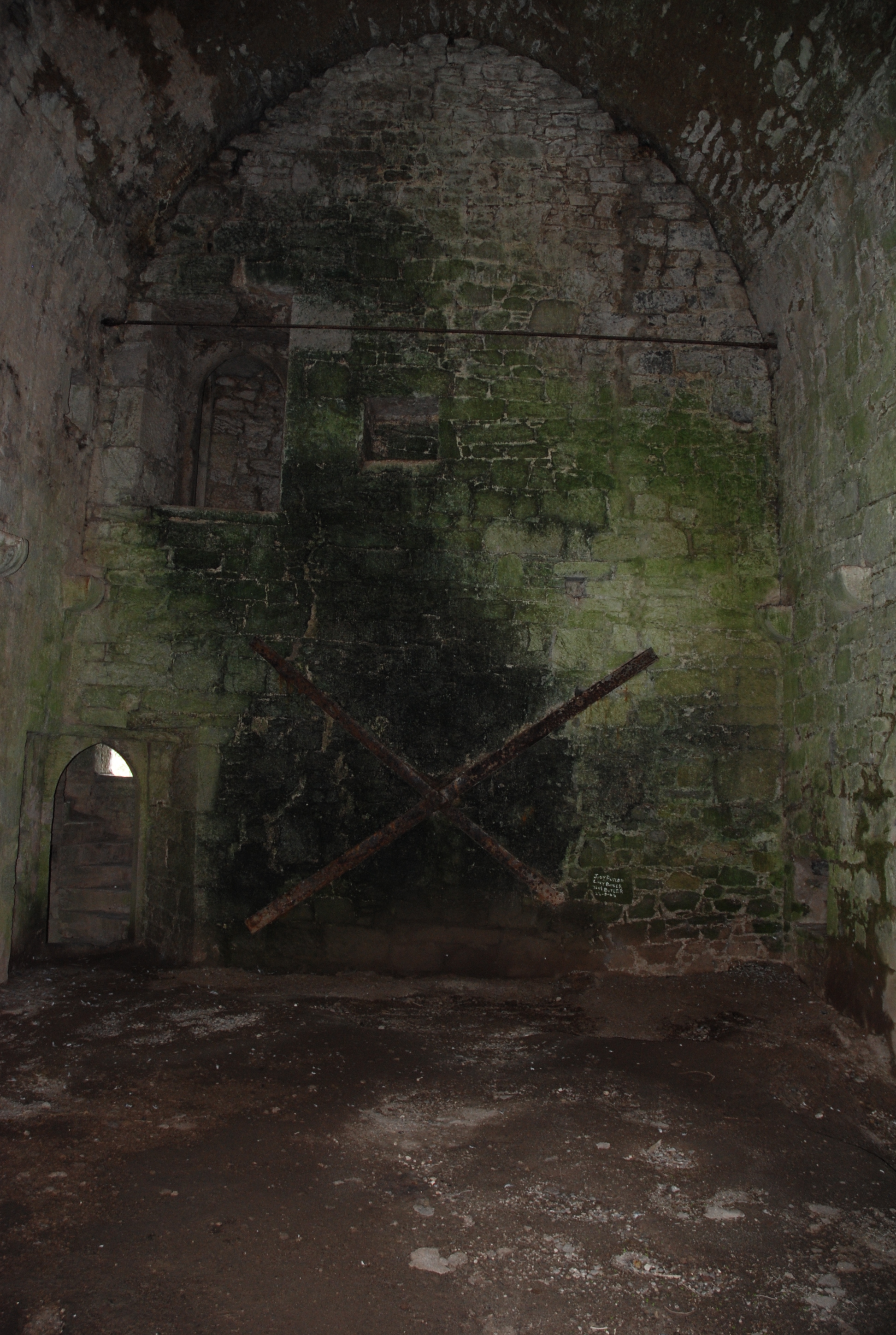
Interior of Belvelly Castle before restoration
The roofless tower · Before 2016
Historic stonework during the restoration
Stone by stone · Renewal
01

Chapter 01

A stronghold at the crossing

Belvelly’s published history begins with the Anglo-Norman Hodnett family and a strategic ford between Great Island and the mainland.

Sources disagree on a precise construction date. What remains legible is the tower’s purpose: command of a narrow crossing within Cork Harbour.
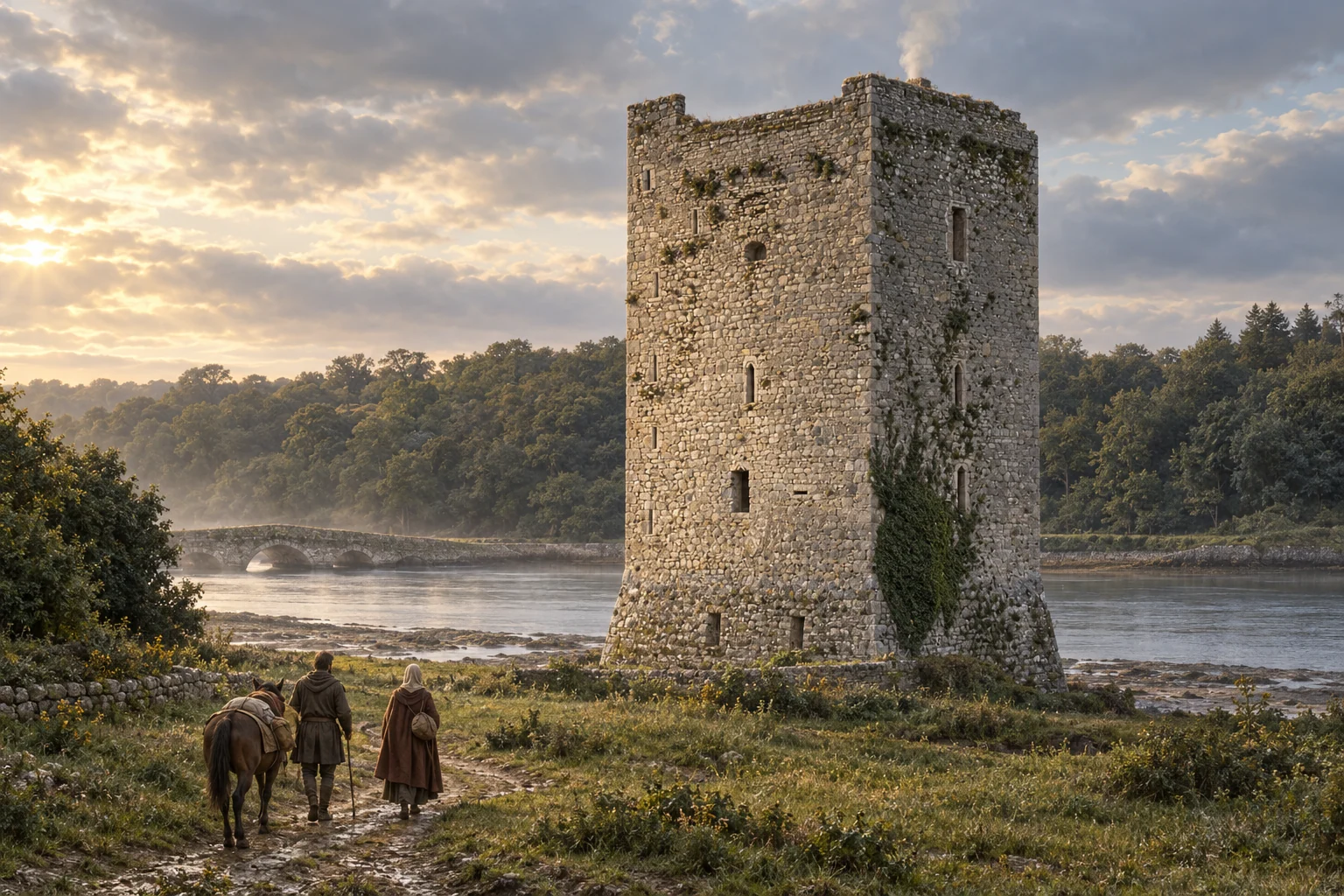
An imagined medieval scene of Belvelly Castle at the crossing
Belvelly at the crossing · Artist’s reconstruction
Continue to 02A contested stronghold
02

Chapter 02

Taken at the ford

In 1329, the castle’s own account records a siege by the de Barrys and their Roche allies.

The capture placed the stronghold within a changing field of local power. It later became associated with the Barrymore name.
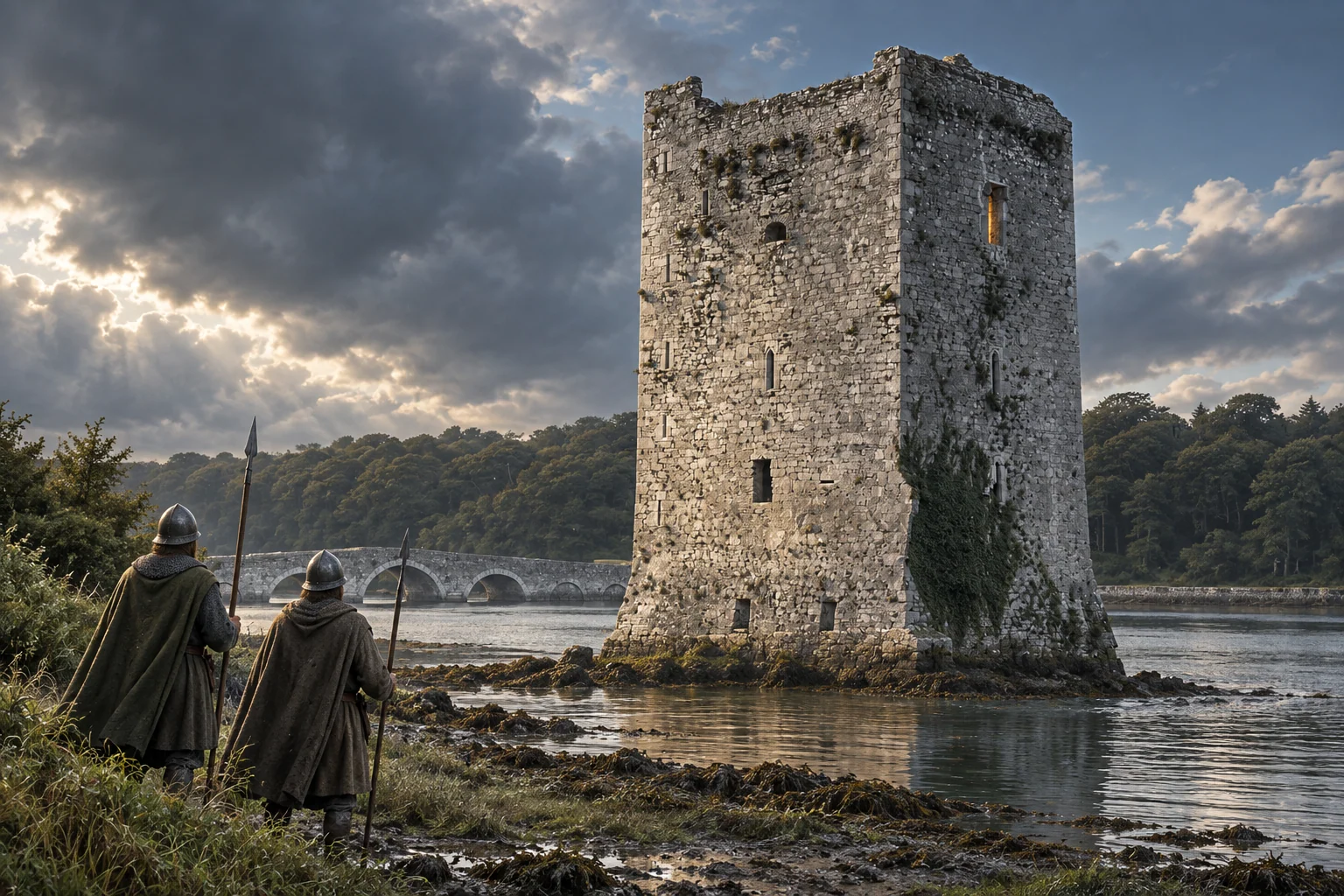
An imagined scene of armed retainers approaching Belvelly Castle
A contested stronghold · Artist’s reconstruction
Continue to 03Changing hands
03

Chapter 03

Power written into stone

Ownership shifted with the political and military fortunes of Ireland.

Sir Walter Raleigh acquired the property in 1581; surviving correspondence described it as broken down. Sir Peter Courthope rented Belvelly from 1636 and is credited with repairs, a roof and battlements. During the Confederate Wars it garrisoned troops under Roger Boyle.
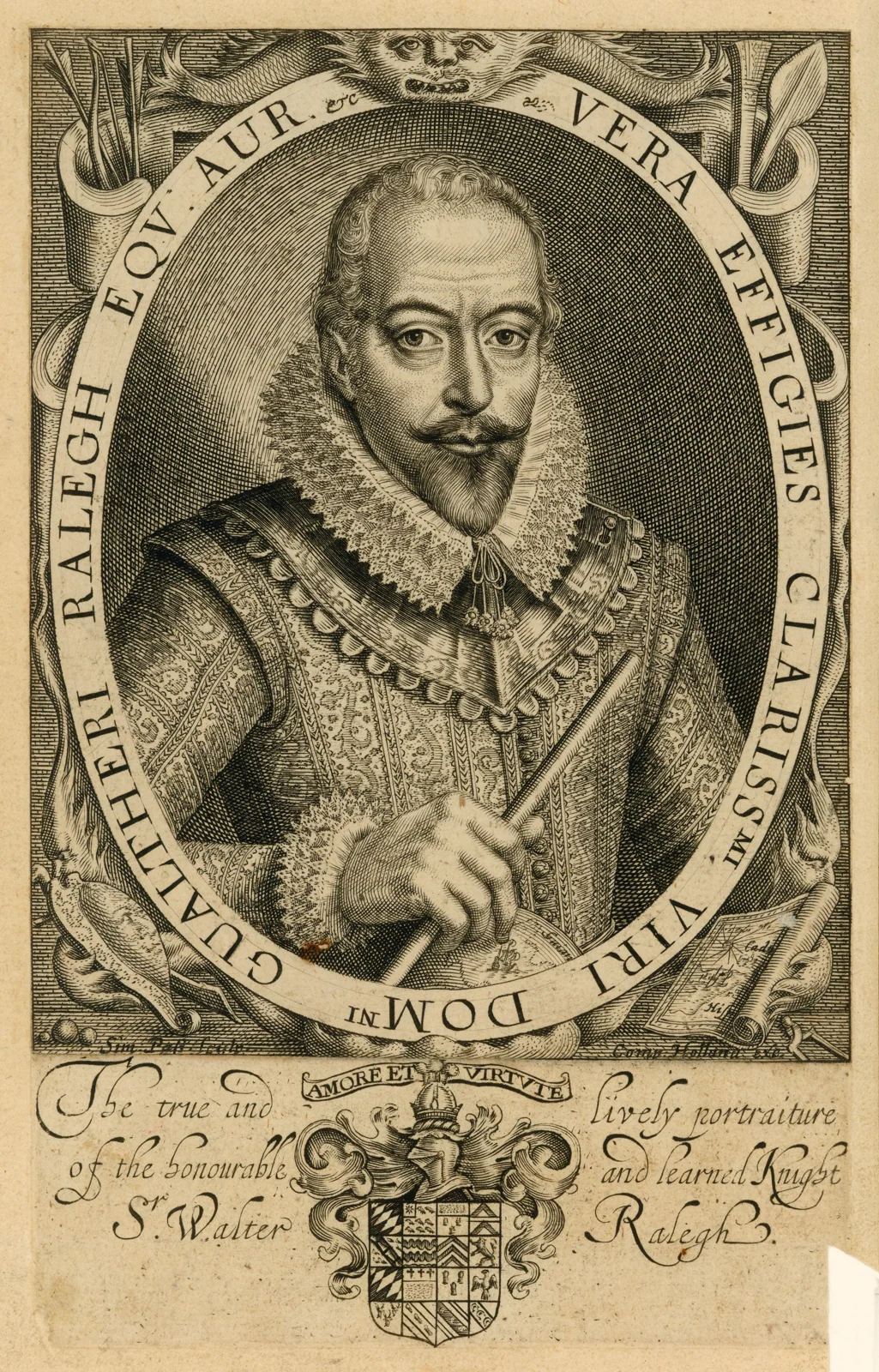
Engraved portrait of Sir Walter Raleigh by Simon van de Passe, 1617
Sir Walter Raleigh, engraving by Simon van de Passe, 1617. Historical context for the castle’s reported Raleigh association. John Carter Brown Library, Brown University · public domain
Continue to 04The silent years
04

Chapter 04

Weather, ivy, memory

By the nineteenth century, Belvelly stood as a roofless ruin.

Generations passed the familiar tower while weather and vegetation moved through its interior. In these years, stories gathered around the building alongside the documented record.

Enter the folklore collection
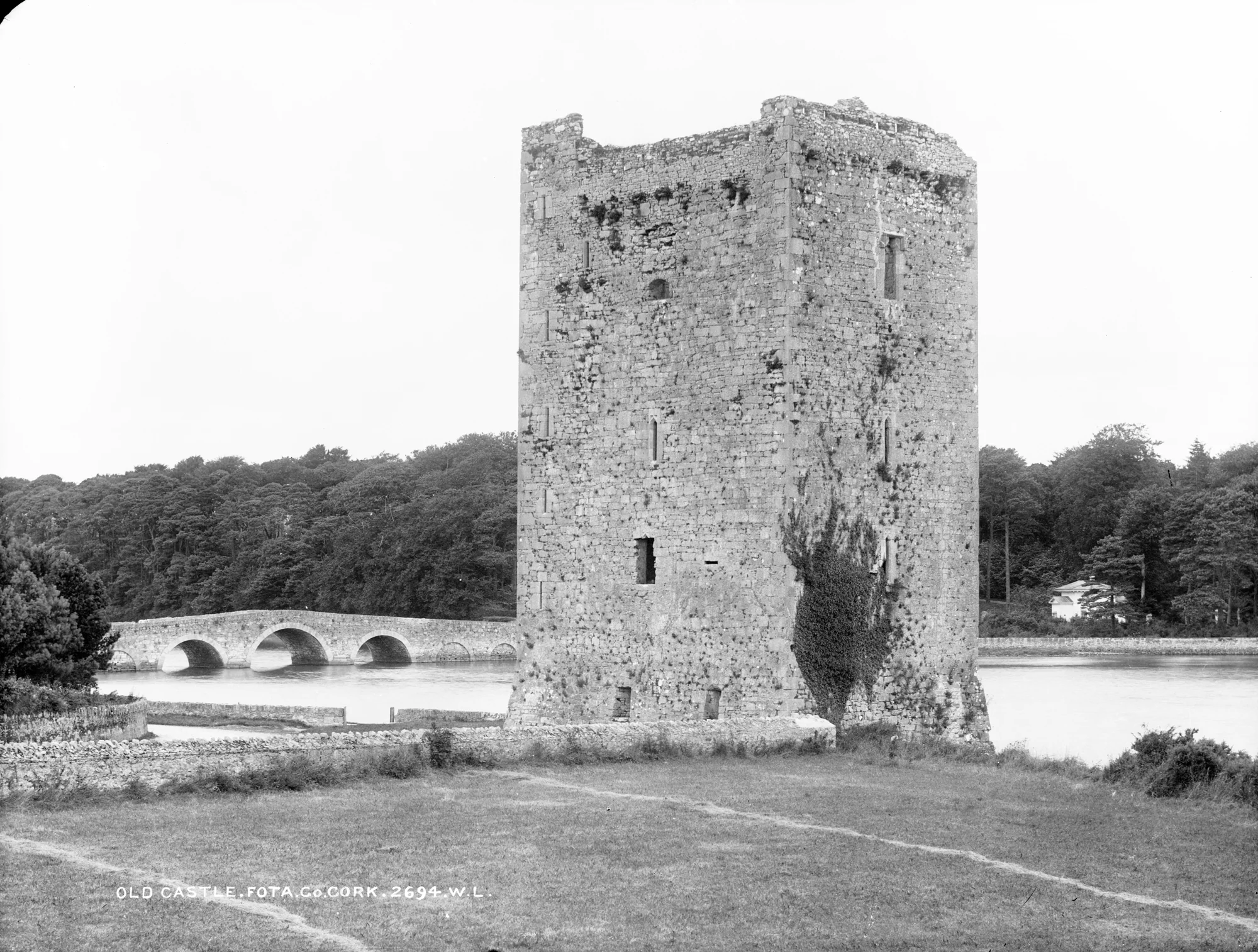
Belvelly Castle standing as a roofless ruin beside the bridge in a Victorian photograph
Belvelly Castle, c.1865–1914. Robert French, Lawrence Photograph Collection, National Library of Ireland
Continue to 05Called into service
05

Chapter 05

Called into service

During Ireland’s Emergency, from 1939 to 1945, the Irish Army occupied the castle.

The tower was modified as a defensive position. When that period ended, Belvelly returned to its long quiet at the crossing.
Crossed rifles illustration
Military illustration from the original Belvelly Castle website
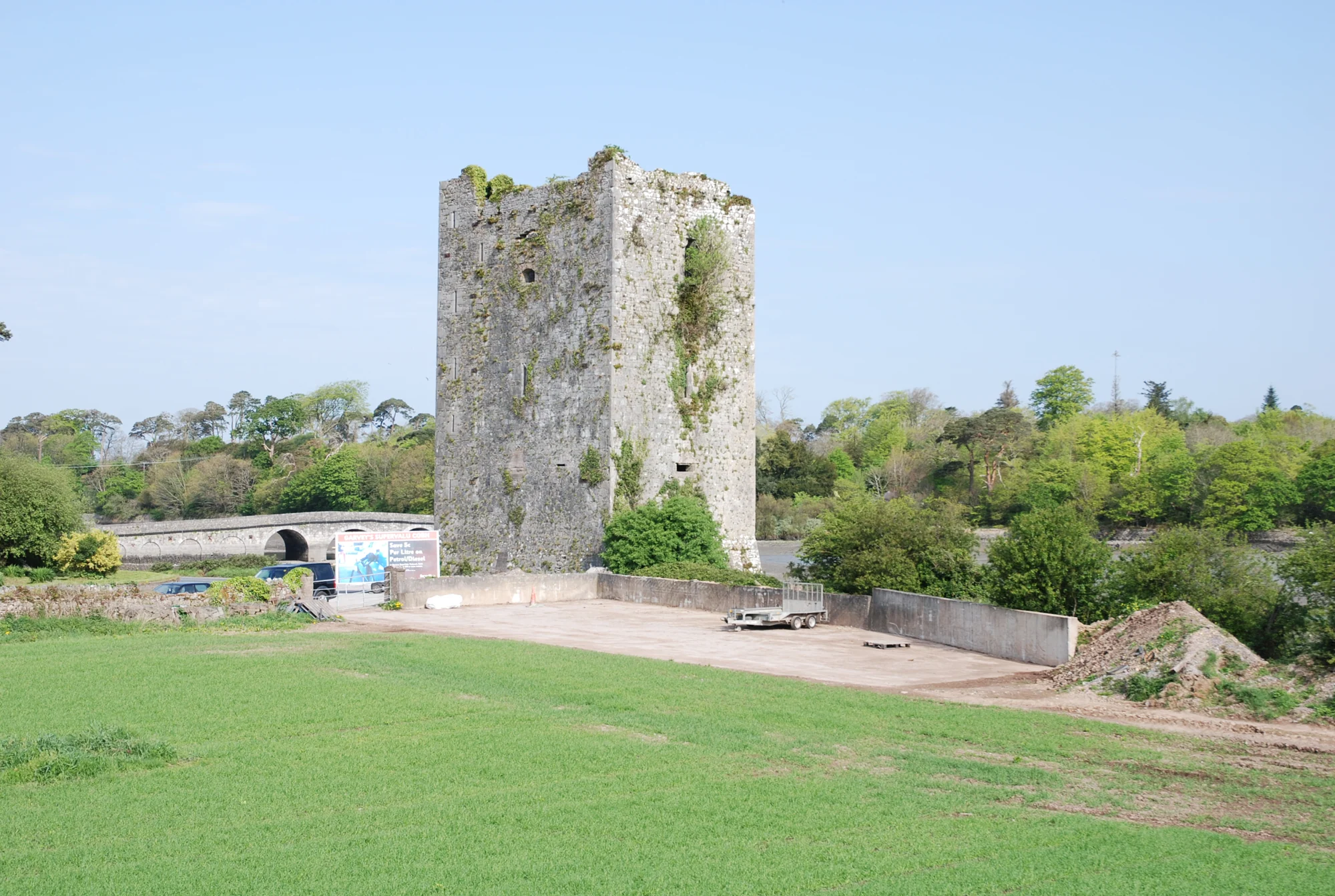
Belvelly Castle standing unroofed above open ground before its modern restoration
Belvelly before its modern restoration · A later view of the wartime site
Continue to 06A decision to restore
06

Chapter 06

To imagine a home

Garry and Anne Wilson acquired Belvelly in 2016 and chose to take on the scale of its rescue.

The ambition was not merely to arrest decay, but to return the old tower to use as an enduring family home.
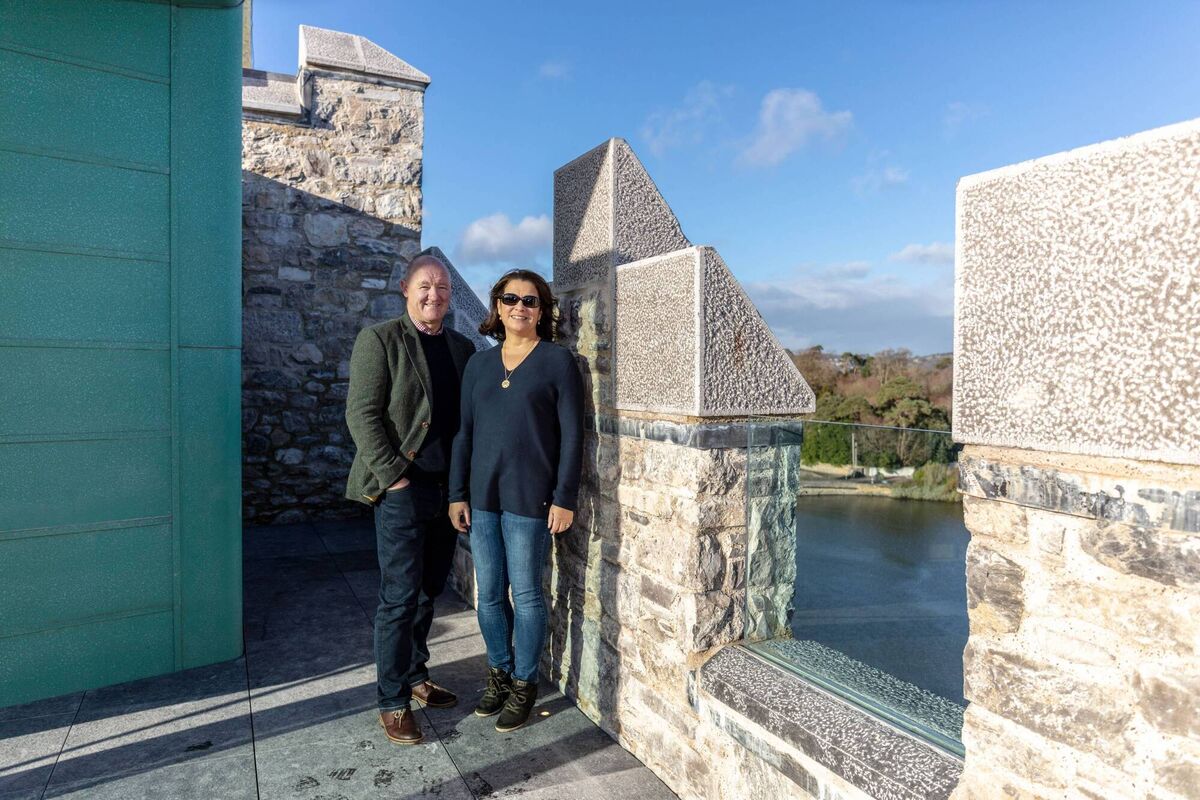
Garry and Anne Wilson at Belvelly Castle
Garry and Anne Wilson · A new chapter, 2016
Continue to 07The work of renewal
07

Chapter 07

The work of renewal

Structure, masonry and modern life had to be resolved together.

Ring beams stabilised the tower. Thousands of stones were repaired, numbered and reassembled. The battlements returned, while new heating, joinery, windows and a dramatic staircase made habitation possible.

Read the full restoration
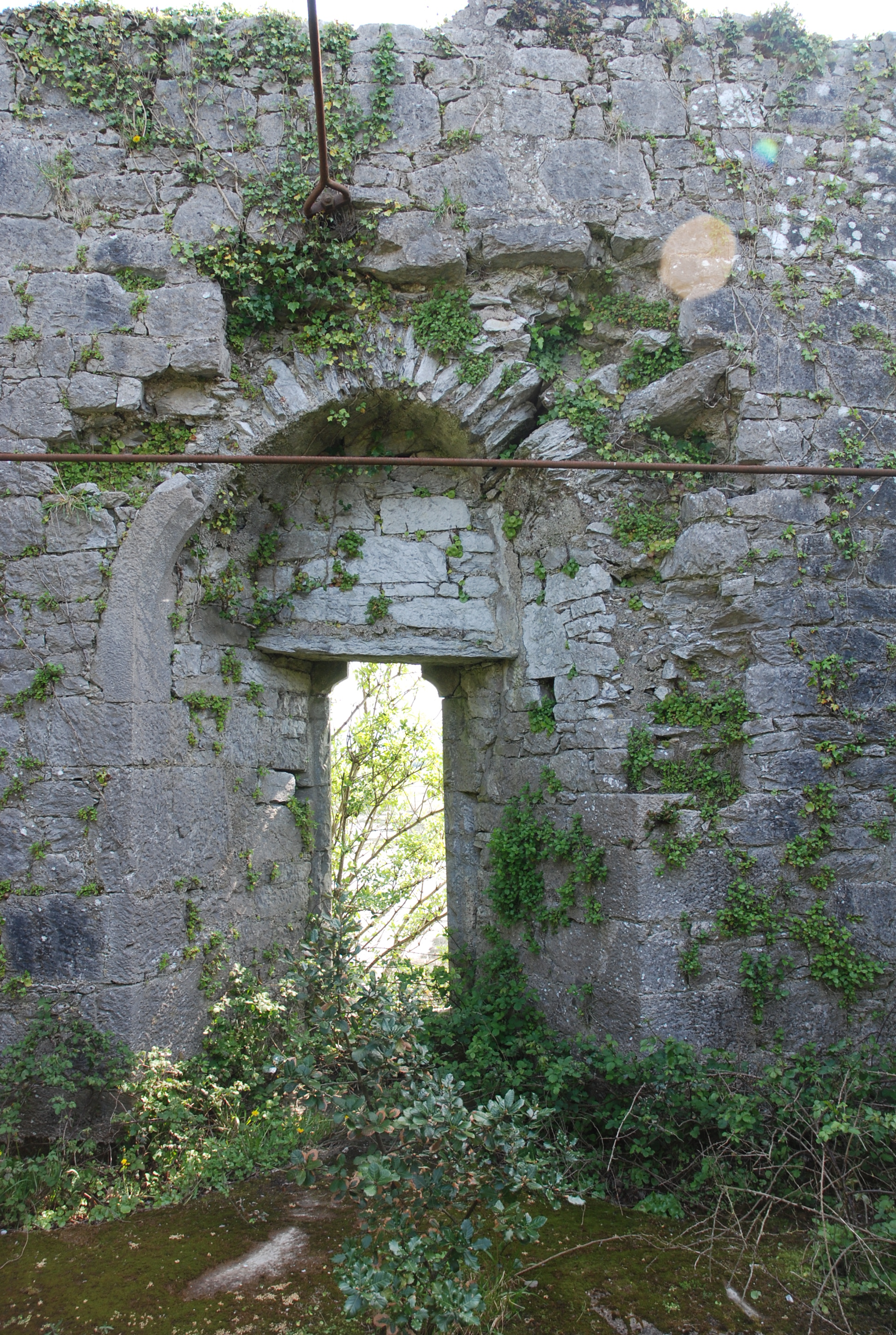
Stonework inside Belvelly Castle during restoration
Historic masonry · The work of renewal
Continue to 08The golden tree
08

Chapter 08

A tree above the battlements

In September 2018, Orla de Brí’s Quiet Listening was installed on the roof.

Its dark-green figure looks towards a five-metre tree covered in gold leaf, remembering the tree that had once grown within the ruin and holding nature, ancestors and renewal in conversation.

Discover Quiet Listening
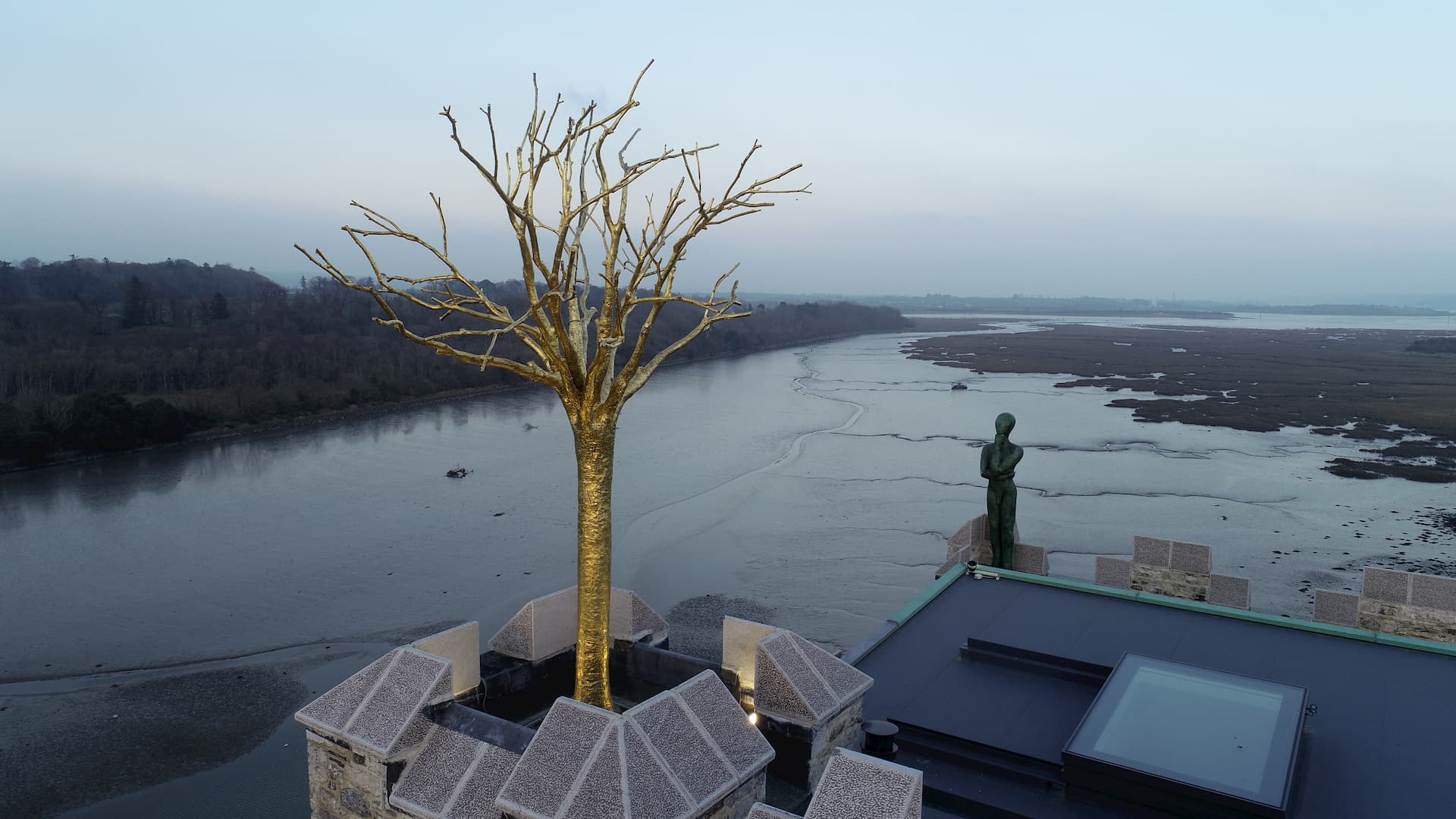
Quiet Listening by Orla de Brí on the castle roof
Quiet Listening · Orla de Brí, 2018
Continue to 09A living home
09

Chapter 09

A living story

Belvelly is inhabited again—an old place carried forward rather than fixed behind glass.

Today it is the Wilson family’s private residence. Its public story continues through responsible stewardship, art and a connection with the communities around Great Island.
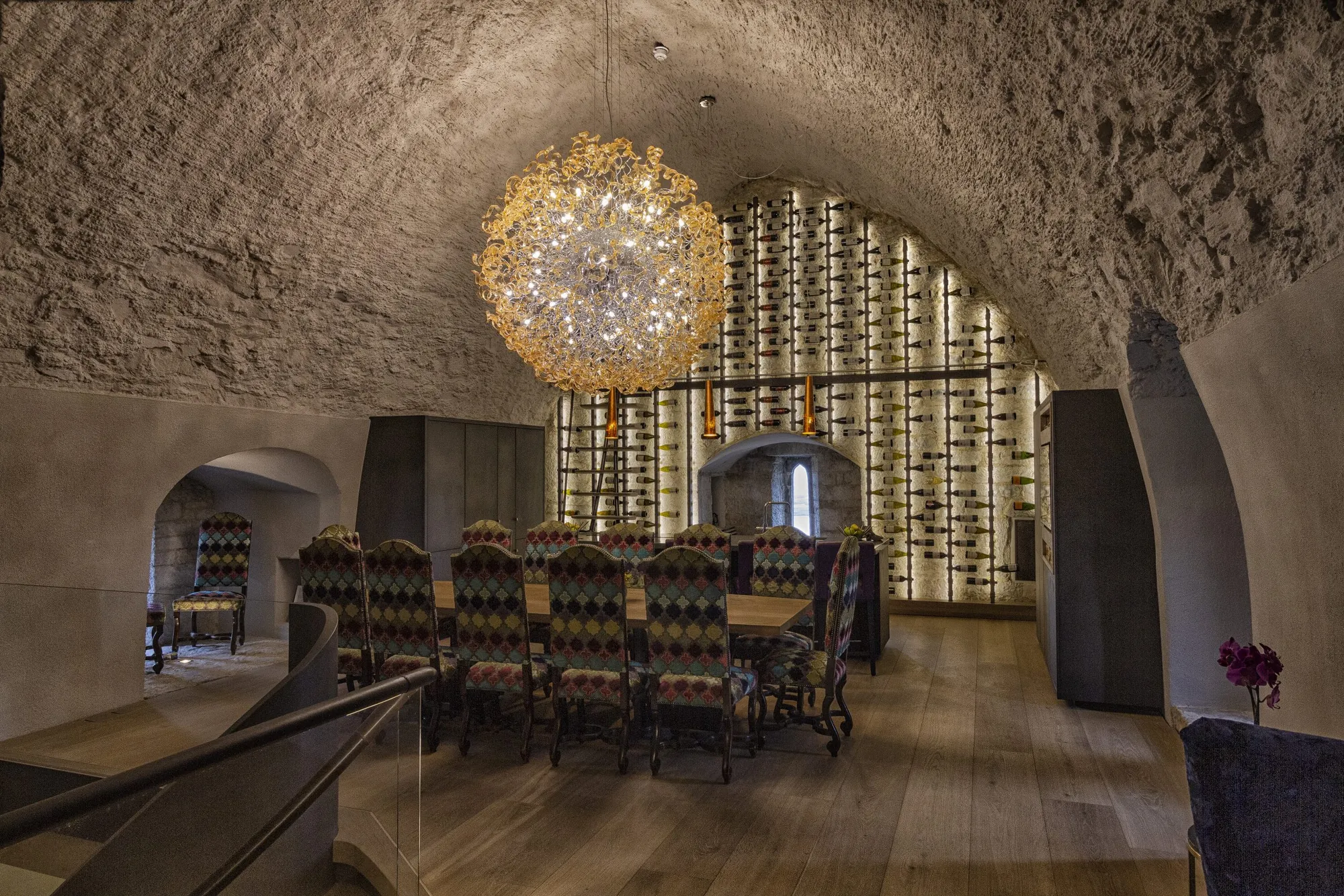
The vaulted dining room inside the restored Belvelly Castle
The vaulted dining room · A private family home today
Sources, uncertainty & picture credits +

This journey draws on the castle’s published history, restoration, art and folklore pages, together with Irish Examiner reporting.

Construction dates conflict between sources, so Belvelly is described as a medieval castle. The Raleigh association is recorded as reported rather than certain. Folklore is kept separate from documented history. Archival photography is credited to the Lawrence Photograph Collection, National Library of Ireland; the Raleigh engraving to the John Carter Brown Library, Brown University; scenes marked “artist’s reconstruction” are interpretive illustrations, not historical records.